日期:2026年1月24日(星期六~至2026年2月8日(星期日)(星期一休館)
時間:上午11:00~至下午6:00
地點:寶藏山藝術家村 “十字畫廊(Cross Gallery)”
台北寶藏巖國際藝術村(Treasure Hill Artist Village )
時間:上午11:00~至下午6:00
地點:寶藏山藝術家村 “十字畫廊(Cross Gallery)”
台北寶藏巖國際藝術村(Treasure Hill Artist Village )
Exhibition Statement
臺灣是一個城市中同時嵌存著多重歷史層次的地方,這些歷史既可見、亦不可見。從原住民的時代開始,歷經不同殖民與統治政權的更迭,城市的風景與結構中,靜靜累積並承載著時間的痕跡。在這條漫長的歷史流動之中,足立將焦點放在日本殖民時期與戰後年代——這兩個階段不僅與他自身的日本背景緊密相連,也在形塑現代臺灣的過程中扮演了關鍵角色。他並非將這些歷史視為政治敘事來處理,而是關注它們如何以痕跡的形式,留存在土地、建築與物質表層之中。即使不再可見,場域與物件所承載的記憶仍然持續存在。仍在使用中的建築,以及被遺棄、逐漸毀壞的空間,其表面留下的斑駁、污漬與傷痕,皆靜靜訴說著過往的生命、事件,以及時間流逝的痕跡。如同物質經歷風化,記憶也會逐漸消褪,曾經至關重要的事物,會慢慢從集體意識中淡出,甚至面臨徹底消失的風險。透過研究與以材料為基礎的創作實踐,足立追溯這些經常被忽略的記憶,探索那些曾確實存在過的證據,並為仍然留存與正在消逝的事物賦予形體。他的作品將記憶具體化為一種層疊的、具體的存在,使過去能夠到現在重新相遇。
Taiwan is a place where multiple layers of history remain embedded in the city, both visibly and invisibly. From the era of Indigenous peoples through successive colonial and governing powers, the city quietly holds accumulated time within its landscapes and structures.
Within this long historical flow, Adachi focuses on the Japanese colonial period and the postwar era—periods that are deeply connected to his own Japanese background and that played a significant role in shaping modern Taiwan. Rather than approaching these histories as political narratives, he examines how they remain as traces embedded in land, architecture, and material surfaces.
Memories held within places and objects persist even when they are no longer visible. Buildings still in use, as well as abandoned and deteriorating spaces, bear marks, stains, and scars that quietly testify to past lives, events, and the passage of time.
As materials weather, memory also fades. What was once essential gradually recedes from collective awareness and risks disappearing altogether.
Through research and material-based practice, Adachi traces these often-overlooked memories—evidence of what once certainly existed—and gives form to both what remains and what is vanishing. His work materializes memory as a layered, physical presence that allows the past to be encountered in the present.
Art work
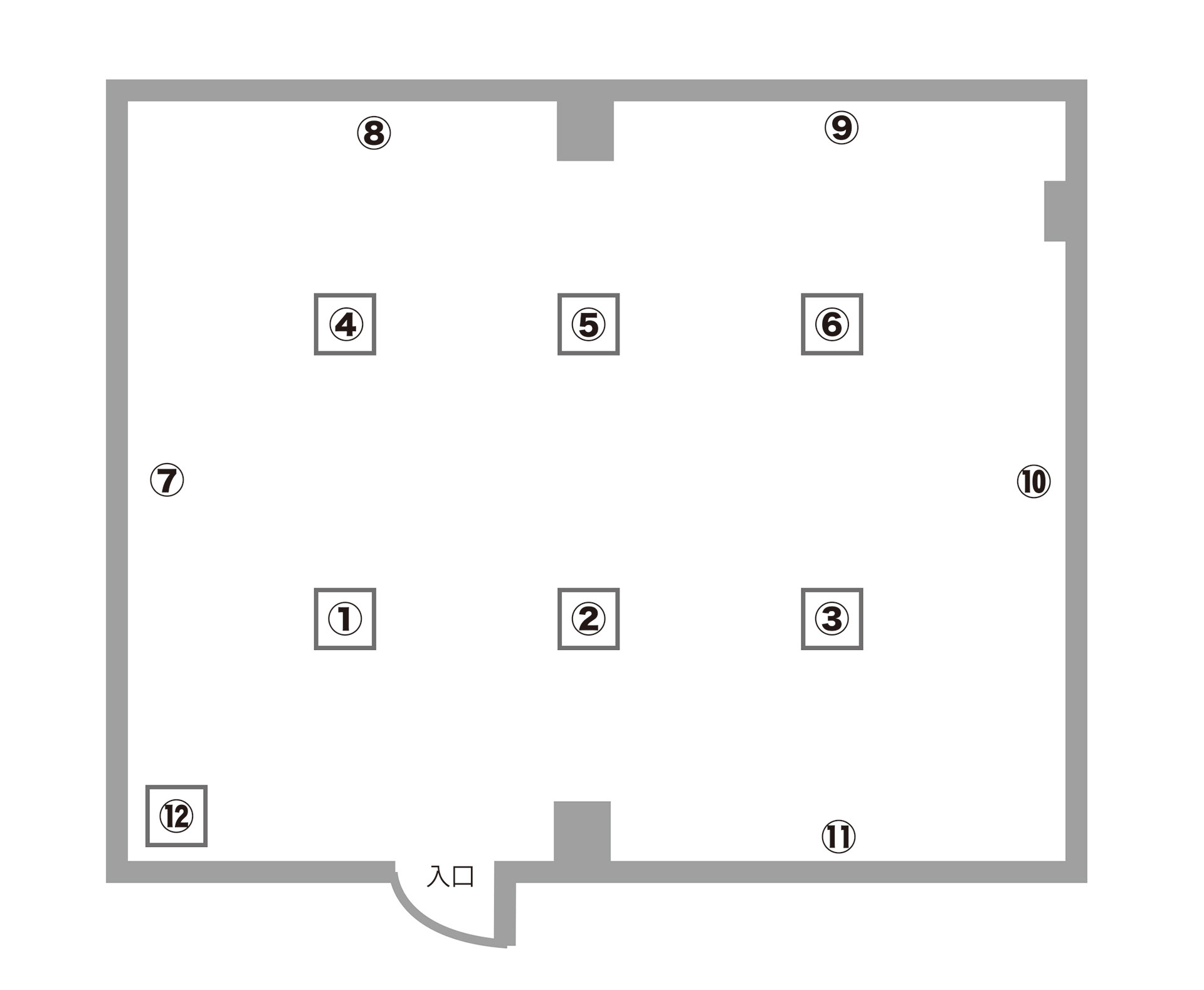
1. 遺痕 #1 / Newspaper (Taiwan), paper, water-based resin / H275×W117×D154 mm / 2026
2. 遺痕 #2 | Newspaper(Taiwan), paper, water-based resin | H205×W127×D1162 mm | 2026
3. 遺痕 #3 | Newspaper(Taiwan), paper, water-based resin | H305×W105×D156 mm | 2026
4. 遺痕 #4 | Newspaper(Taiwan), paper, water-based resin | H270×W100×D156 mm | 2026
5. 遺痕 #5 | Newspaper(Taiwan), paper, water-based resin | H235×W95×D150 mm | 2026
6. 遺痕 #6 | Newspaper(Taiwan), paper, water-based resin | H280×W113×D147 mm | 2026
7. 意義的殘骸 #1 | Newspaper(Dec 9,1941, Tokyo Nichinichi Shimbun, Japan), paper, water-based resin | convertible | 2026
8. 意義的殘骸 #2 | Newspaper (Feb 21,1970, Taiwan Evening News, Taiwan), paper, water-based resin | convertible | 2026
9. 意義的殘骸 #3 | Newspaper (Jul 3,1956, Central Daily News, Taiwan), paper, water-based resin | convertible | 2026
10. 意義的殘骸 #4 | Newspaper (Aug 15,1945, Asahi Shimbun, Japan), paper, water-based resin | convertible | 2026
11. 意義的殘骸 #5 | Newspaper (Jul 2,1956, Central Daily News, Taiwan), paper, water-based resin | convertible | 2026